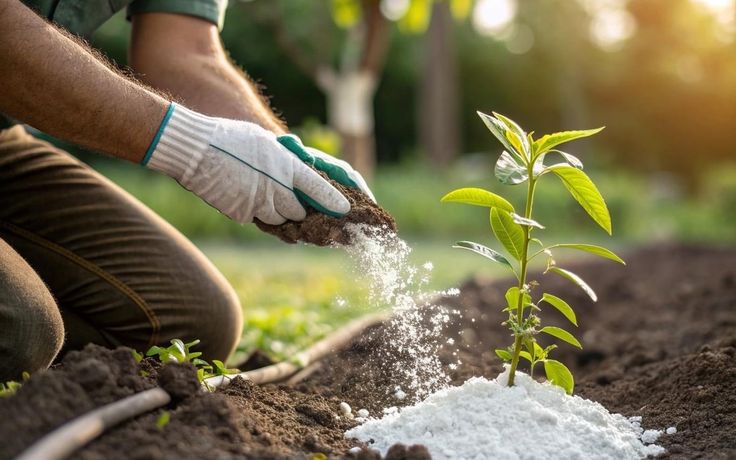
PGR Techniques to Boost Plant Growth
Plant Growth Regulators (PGRs) have become essential tools in modern agriculture, enabling
farmers to enhance crop structure, increase yield, and achieve better control over growth
stages. When applied correctly, PGRs can significantly improve plant development, fruit size,
and stress tolerance — helping farmers maximize productivity sustainably.
What Are Plant Growth Regulators?
PGRs are organic compounds that influence plant growth and development. They mimic natural
plant hormones such as auxins, gibberellins, cytokinins, ethylene, and abscisic acid.
- Enhance root and shoot growth
- Improve flowering and fruiting
- Regulate plant height and structure
- Increase stress resistance
Major Types of PGRs Used in Agriculture
1. Auxins
Auxins promote cell elongation and root development. They are widely used for:
- Root initiation in cuttings
- Improved nutrient transport
- Fruit growth regulation
2. Gibberellins
These hormones stimulate stem elongation, seed germination, and flowering.
They help improve:
- Fruit enlargement
- Flowering uniformity
- Seedling vigor
3. Cytokinins
Cytokinins play a major role in cell division and delay plant aging.
They are effective for:
- Improving shoot growth
- Increasing grain size
- Enhancing leaf chlorophyll retention
4. Ethylene Regulators
Ethylene affects ripening, leaf drop, and stress responses.
Regulating ethylene helps:
- Improve fruit ripening
- Induce flowering in certain crops
- Control premature fruit drop
5. Growth Inhibitors
These PGRs slow vegetative growth to improve crop structure and prevent lodging.
Common uses include:
- Shortening internodes in cereals
- Strengthening stems
- Improving harvestability
Top Techniques to Maximize PGR Efficiency
1. Apply PGRs During the Correct Growth Stage
Timing is everything. For example, auxins should be applied during rooting, while gibberellins
are ideal during flowering and fruit enlargement.
2. Use Correct Dosage and Dilution
Overuse can damage crops. Always follow recommended concentrations based on crop variety.
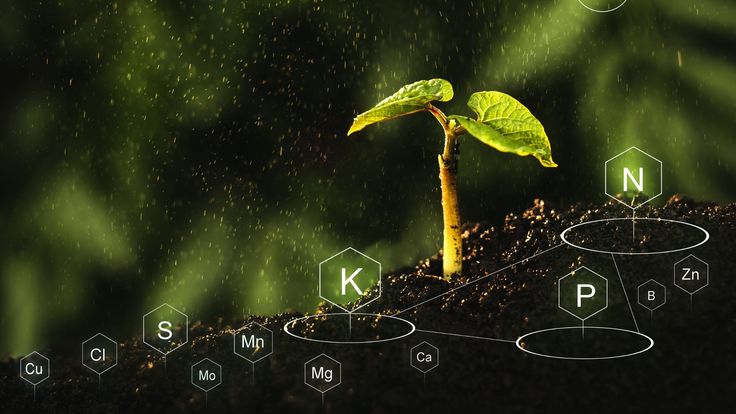
3. Combine PGRs With Balanced Nutrition
For maximum results, PGRs should be used alongside proper fertilization and micronutrient support.
4. Apply During Low-Stress Conditions
Early morning or late evening applications ensure maximum absorption and reduce evaporation.
5. Choose Crop-Specific PGR Formulations
Some PGRs work better for specific crops such as grapes, apples, citrus, vegetables, and grains.
Benefits of Using PGRs in Agriculture
✔ Increased fruit size & quality
Certain PGRs enhance cell expansion and improve marketable fruit grades.
✔ Stronger, more uniform crop structure
Growth inhibitors help reduce lodging in cereals, leading to easier harvests.
✔ Faster seed germination
Gibberellins help activate enzymes responsible for breaking seed dormancy.
✔ Controlled vegetative growth
Ideal for grapes, apples, and ornamental crops that require structure control.
✔ Improved stress tolerance
PGRs help plants resist drought, temperature fluctuations, and salinity.
When Should Farmers Apply PGRs?
The ideal timings include:
- Rooting stage in nurseries
- Vegetative growth phase
- Pre-flowering and early flowering
- Fruit set and enlargement
For best results, application should be based on crop-specific recommendations
and environmental conditions.
Recommended PGR Products
- Auxin-based rooting stimulants
- Gibberellic acid formulations
- Cytokinin boosters for shoot growth
- Ethylene regulators for fruit development
- Growth inhibitors for structural control
Conclusion: PGRs Can Transform Modern Farming
Plant Growth Regulators are powerful tools for enhancing crop development, improving
fruit quality, and achieving stronger and more productive plants. When used correctly,
they help farmers adapt to climatic stress, improve yields, and increase profitability
sustainably.