Agri Ventures Blog

Insights, updates, and expert knowledge on modern agriculture.

Latest Articles

Stay updated with the newest trends in agriculture, crop protection, and innovations.

Blog Image

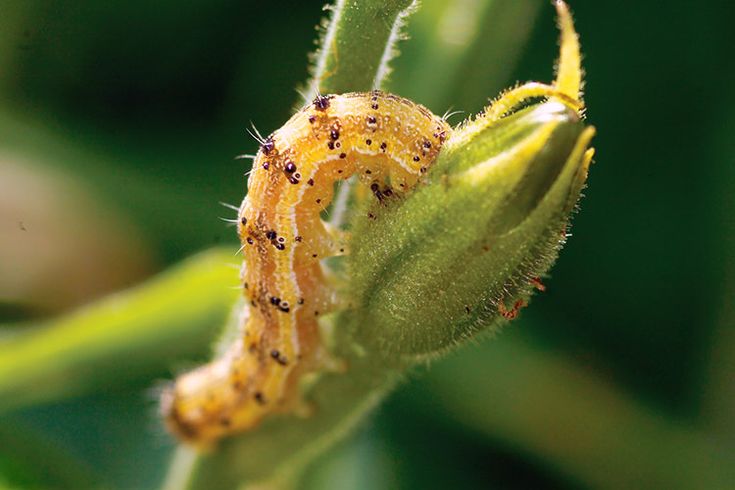
How to Protect Crops from Seasonal Pests

Learn effective strategies and recommended insecticides to keep your crops safe during peak pest seasons.

Read More
Blog Image

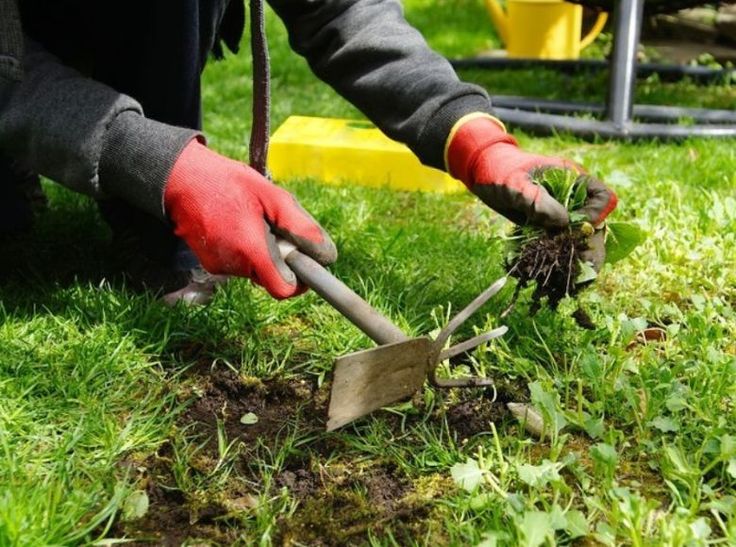
Why Weed Management Is Crucial for High Yields

Farmers lose up to 40% of their harvest due to uncontrolled weed growth. Here's how to control it.

Read More
Blog Image

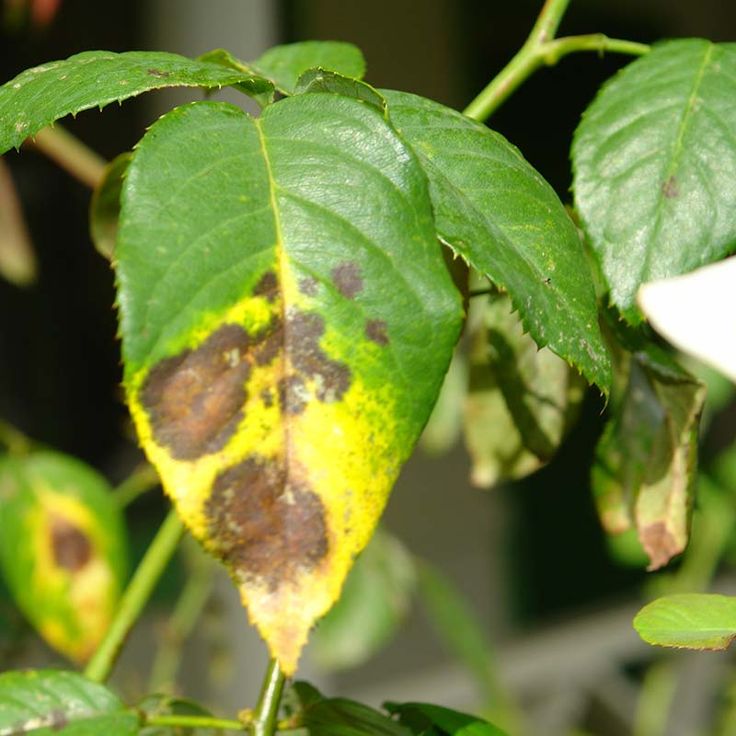
Fungal Diseases: Early Signs & Treatments

Spot fungal infections before they spread and learn which fungicides offer the best protection.

Read More
Blog Image

Biostimulants: The Future of Sustainable Farming

Understand how biostimulants improve soil health, increase yields, and support plant resilience.

Read More
Blog Image

Top PGR Techniques to Boost Plant Growth

Discover advanced methods and products that enhance crop growth and productivity.

Read More
Blog Image

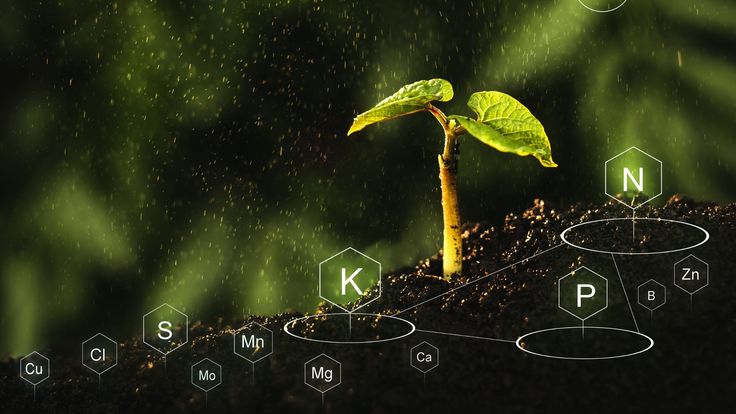
Fertilizers: Choosing the Right NPK Balance

Understand the science behind NPK values and what your crops need for optimal performance.

Read More
How to Protect Crops from Seasonal Pests

Understanding Seasonal Pest Pressure

Seasonal pests pose one of the biggest threats to crop productivity. As temperature and humidity rise, pest populations multiply rapidly, causing severe damage to leaves, stems, and fruiting parts. Early detection and preventive action are key to minimizing yield losses.

Common Pests Affecting Crops

Here are the most commonly observed pests during seasonal transitions:

  • Aphids – sap-sucking insects that weaken plants
  • Whiteflies – cause leaf curling and stunted growth
  • Thrips – damage young leaves & flower buds
  • Stem borers – penetrate stems and destroy the vascular system
  • Leaf miners – create tunnel-like feeding marks

Preventive Strategies for Better Crop Protection

Effective pest control begins with smart farm practices:

  • Maintain crop hygiene and remove infected plant parts
  • Ensure proper spacing for airflow and sunlight
  • Use yellow sticky traps for monitoring flying insects
  • Adopt regular field scouting every 3–5 days

Recommended Insecticides

Agri Ventures FZE provides high-quality insecticides designed for maximum protection with minimal environmental impact:

  • Chlorpyrifos 48% EC
  • Cypermethrin 10% EC
  • Emamectin Benzoate
  • Fipronil Formulations
  • Lambda Cyhalothrin 5% EC

Final Thoughts

Timely detection and proper product selection prevent large-scale crop losses. With the right integrated pest management plan, farmers can ensure healthier growth and improved yields.

Share This Article

Talk to an Expert on WhatsApp
Why Weed Management Is Crucial for High Yields

The Hidden Threat: How Weeds Reduce Crop Yield

Weeds compete with crops for essential resources such as sunlight, water, nutrients, and space. If not controlled early, they can reduce the crop yield by up to 40–60%, depending on the crop type and infestation severity.

Effective weed control directly impacts farm profitability, crop health, and field efficiency — making weed management a top priority for modern agriculture.

Why Weeds Grow Faster Than Crops

Many weed species grow aggressively because they:

  • Produce thousands of seeds per plant
  • Grow faster than most crop seedlings
  • Adapt quickly to soil and climate stress
  • Develop resistance when herbicides are misused

Their rapid growth means they steal nutrients before crops can access them — leading to stunted growth, discoloration, and reduced productivity.

Types of Weeds Farmers Commonly Face

  • Annual weeds: Germinate and grow within a single season
  • Perennial weeds: Come back year after year with deep root systems
  • Broadleaf weeds: Spread rapidly and shade younger crops
  • Grassy weeds: Compete heavily for nitrogen

Effective Weed Management Strategies

1. Pre-Emergence Weed Control
Applying herbicides before weeds germinate prevents early weed pressure. Ideal products include:

  • Pendimethalin 33% EC
  • Atrazine 50% WP
  • Metribuzin 70% WP

2. Post-Emergence Weed Control
These herbicides target actively growing weeds without harming crops.

  • Glyphosate 41% SL
  • Paraquat Dichloride
  • 2,4-D Based Herbicides

3. Mechanical & Cultural Methods

  • Deep tillage to disrupt weed roots
  • Mulching for moisture retention & weed suppression
  • Crop rotation to disturb weed life cycles

The Impact of Proper Weed Management

Implementing a well-planned weed management program helps farmers:

  • Increase yield potential
  • Enhance soil health
  • Improve crop uniformity
  • Reduce future weed seed banks
  • Minimize herbicide resistance

Conclusion

Weeds are silent yield killers. With timely weed management, farmers can protect crop quality and maximize field productivity. Using the right combination of herbicides and good agricultural practices ensures healthier, more profitable harvests.

Share This Article

Talk to an Expert on WhatsApp
Fungal Diseases: Early Signs & Treatments

Fungal Diseases: Early Signs & Treatments

Fungal infections are among the most destructive plant diseases in global agriculture. From powdery mildew to blight, fungal pathogens can spread rapidly, damage leaves and roots, and significantly reduce crop yield when not managed early.

What Makes Fungal Diseases So Harmful?

Fungi thrive in humid, warm, and poorly ventilated crop environments. They reproduce quickly through spores that spread via air, water, soil, tools, and even clothing.

  • They block nutrient movement inside plants
  • They cause leaf drop, stem rot, and fruit decay
  • They reduce photosynthesis and plant strength
  • Many fungal spores survive in soil for years

Common Fungal Diseases Farmers Face

1. Powdery Mildew

White, powder-like spots appear on leaves and stems. It spreads fastest in dry but humid climates.

2. Rust Disease

Yellow or orange rust spots appear on the underside of leaves, reducing leaf function.

3. Downy Mildew

A fuzzy white or gray mold appears on leaf surfaces, especially in wet, cool conditions.

4. Blight

Sudden browning and dying of leaves, stems, or fruits. Late blight in tomatoes and potatoes can destroy entire fields.

5. Root Rot

Caused by soil-borne fungi, root rot prevents water uptake and kills young plants quickly.

Early Signs of Fungal Infection

  • White, yellow, or brown spots on leaves
  • Wilting even with adequate watering
  • Fuzzy mold on stems or fruit
  • Black or sunken lesions
  • Leaves curling or drying at the edges

Detecting infections early helps prevent rapid spread throughout fields.

Effective Treatment Options

1. Contact Fungicides

These remain on the plant surface and kill spores upon contact. Best for early-stage infections.

  • Mancozeb 80% WP
  • Copper Oxychloride 50% WP
  • Chlorothalonil 500 SC

2. Systemic Fungicides

These are absorbed into plant tissues, protecting new growth and treating internal infections.

  • Propiconazole 25% EC
  • Carbendazim 50% WP
  • Hexaconazole 5% EC

3. Soil Treatments

Soil-borne fungi require fumigation, organic amendments, or targeted fungicide drenches.

4. Cultural Prevention Practices

  • Avoid overhead irrigation
  • Improve spacing for airflow
  • Use disease-resistant seed varieties
  • Rotate crops regularly
  • Remove infected plant material immediately

How Weather Affects Fungal Growth

Climate plays a major role in fungal outbreaks. Most fungi thrive in:

  • High humidity
  • Warm temperatures (20–30°C)
  • Poor air circulation
  • Rainy or foggy seasons

Long-Term Disease Prevention

Implementing an integrated disease management plan helps protect crops long-term:

  • Regular field monitoring
  • Timely fungicide applications
  • Proper irrigation management
  • Improved soil and nutrient health

With early detection and proper fungicide use, fungal infections can be controlled before severely impacting crop yield or market value.

Share This Article

Talk to an Expert on WhatsApp
Biostimulants: The Future of Sustainable Farming

Biostimulants: The Future of Sustainable Farming

With climate change, declining soil fertility, and rising input costs, farmers worldwide are shifting toward sustainable practices. Biostimulants have emerged as one of the most powerful tools to enhance plant health, improve stress tolerance, and increase crop yields — naturally and efficiently.

What Are Biostimulants?

Biostimulants are natural or biologically derived products that enhance plant growth and resilience. Unlike fertilizers, which provide nutrients, biostimulants improve how plants use existing nutrients and strengthen their biological processes.

  • Boost nutrient uptake efficiency
  • Increase root development
  • Improve stress tolerance (heat, salinity, drought)
  • Enhance flowering and fruit development

How Biostimulants Work

Biostimulants activate natural mechanisms within plants, improving physiological functions such as:

  • Photosynthesis and energy production
  • Chlorophyll synthesis
  • Root zone microbial activity
  • Enzyme activation for nutrient absorption

Main Categories of Biostimulants

1. Humic & Fulvic Acids

Extracted from natural deposits, these substances enhance soil structure, nutrient retention, and root vitality.

2. Seaweed Extracts

Seaweed-based biostimulants improve plant immunity, increase fruit quality, and promote stronger roots.

3. Amino Acids

Amino acids help plants recover quickly from stress conditions such as heat waves, nutrient imbalance, and chemical exposure.

4. Microbial Biostimulants

Beneficial bacteria and fungi improve nutrient solubilization, nitrogen fixation, and soil health.

5. Protein Hydrolysates

These improve nutrient-use efficiency and stimulate vegetative growth during early plant stages.

Benefits of Biostimulants in Modern Agriculture

✔ Higher crop yields
Biostimulants stimulate productivity without relying solely on chemical fertilizers.

✔ Stronger roots
Plants develop healthier and deeper root systems capable of handling stress.

✔ Better quality produce
Improved nutrient movement results in better fruit size, color, and nutritional value.

✔ Reduced fertilizer cost
They increase nutrient-use efficiency, helping farmers reduce fertilizer dependency.

✔ Sustainable farming
Environment-friendly and safe — ideal for long-term soil improvement.

When Should Farmers Use Biostimulants?

For best results, biostimulants should be applied during:

  • Early vegetative growth
  • Pre-flowering stage
  • Fruit set and enlargement
  • Stress periods (heat, drought, salinity, cold)

They can be applied through foliar spray or drip irrigation depending on the product.

Biostimulants vs Fertilizers

While fertilizers feed plants with nutrients, biostimulants improve how plants absorb, use, and react to those nutrients.

  • Fertilizers → Provide NPK & micronutrients
  • Biostimulants → Improve nutrient absorption & plant metabolism
  • Together → Maximum growth, health, and yield

Recommended Biostimulant Products

  • Seaweed Extract Formulations
  • Humic & Fulvic Acid Blends
  • Amino Acid Liquid BioTonics
  • Silicon-Based Stress Protectants
  • Beneficial Microbial Consortia

Why Biostimulants Are the Future

With rising environmental challenges and unpredictable climates, biostimulants provide a safe, sustainable, and highly effective solution for improving agricultural productivity. They not only strengthen plants but also restore soil life and long-term fertility.

Share This Article

Talk to an Expert on WhatsApp
PGR Techniques to Boost Plant Growth

PGR Techniques to Boost Plant Growth

Plant Growth Regulators (PGRs) have become essential tools in modern agriculture, enabling farmers to enhance crop structure, increase yield, and achieve better control over growth stages. When applied correctly, PGRs can significantly improve plant development, fruit size, and stress tolerance — helping farmers maximize productivity sustainably.

What Are Plant Growth Regulators?

PGRs are organic compounds that influence plant growth and development. They mimic natural plant hormones such as auxins, gibberellins, cytokinins, ethylene, and abscisic acid.

  • Enhance root and shoot growth
  • Improve flowering and fruiting
  • Regulate plant height and structure
  • Increase stress resistance

Major Types of PGRs Used in Agriculture

1. Auxins

Auxins promote cell elongation and root development. They are widely used for:

  • Root initiation in cuttings
  • Improved nutrient transport
  • Fruit growth regulation

2. Gibberellins

These hormones stimulate stem elongation, seed germination, and flowering. They help improve:

  • Fruit enlargement
  • Flowering uniformity
  • Seedling vigor

3. Cytokinins

Cytokinins play a major role in cell division and delay plant aging. They are effective for:

  • Improving shoot growth
  • Increasing grain size
  • Enhancing leaf chlorophyll retention

4. Ethylene Regulators

Ethylene affects ripening, leaf drop, and stress responses. Regulating ethylene helps:

  • Improve fruit ripening
  • Induce flowering in certain crops
  • Control premature fruit drop

5. Growth Inhibitors

These PGRs slow vegetative growth to improve crop structure and prevent lodging. Common uses include:

  • Shortening internodes in cereals
  • Strengthening stems
  • Improving harvestability

Top Techniques to Maximize PGR Efficiency

1. Apply PGRs During the Correct Growth Stage

Timing is everything. For example, auxins should be applied during rooting, while gibberellins are ideal during flowering and fruit enlargement.

2. Use Correct Dosage and Dilution

Overuse can damage crops. Always follow recommended concentrations based on crop variety.

3. Combine PGRs With Balanced Nutrition

For maximum results, PGRs should be used alongside proper fertilization and micronutrient support.

4. Apply During Low-Stress Conditions

Early morning or late evening applications ensure maximum absorption and reduce evaporation.

5. Choose Crop-Specific PGR Formulations

Some PGRs work better for specific crops such as grapes, apples, citrus, vegetables, and grains.

Benefits of Using PGRs in Agriculture

✔ Increased fruit size & quality
Certain PGRs enhance cell expansion and improve marketable fruit grades.

✔ Stronger, more uniform crop structure
Growth inhibitors help reduce lodging in cereals, leading to easier harvests.

✔ Faster seed germination
Gibberellins help activate enzymes responsible for breaking seed dormancy.

✔ Controlled vegetative growth
Ideal for grapes, apples, and ornamental crops that require structure control.

✔ Improved stress tolerance
PGRs help plants resist drought, temperature fluctuations, and salinity.

When Should Farmers Apply PGRs?

The ideal timings include:

  • Rooting stage in nurseries
  • Vegetative growth phase
  • Pre-flowering and early flowering
  • Fruit set and enlargement

For best results, application should be based on crop-specific recommendations and environmental conditions.

Recommended PGR Products

  • Auxin-based rooting stimulants
  • Gibberellic acid formulations
  • Cytokinin boosters for shoot growth
  • Ethylene regulators for fruit development
  • Growth inhibitors for structural control

Conclusion: PGRs Can Transform Modern Farming

Plant Growth Regulators are powerful tools for enhancing crop development, improving fruit quality, and achieving stronger and more productive plants. When used correctly, they help farmers adapt to climatic stress, improve yields, and increase profitability sustainably.

Share This Article

Talk to an Expert on WhatsApp
Choosing the Right NPK Fertilizer

Choosing the Right NPK Fertilizer for Your Crops

NPK fertilizers play a vital role in supplying essential nutrients needed for plant growth. Understanding what nitrogen (N), phosphorus (P), and potassium (K) do — and choosing the right combination — can drastically improve crop health, yield quality, and overall productivity.

What Does NPK Mean?

NPK stands for the three major nutrients required by plants:

  • N – Nitrogen: Promotes leaf growth and chlorophyll development
  • P – Phosphorus: Supports strong roots, flowering, and fruiting
  • K – Potassium: Boosts plant strength, disease resistance, and crop quality

Why Choosing the Right NPK Ratio Matters

Every crop has different nutritional needs. Applying the wrong NPK combination can lead to imbalanced growth, weak root development, or nutrient deficiencies.

1. Nitrogen (N)

Nitrogen fuels the vegetative growth phase. Crops like leafy vegetables require higher nitrogen levels, while fruiting crops need controlled nitrogen to avoid excess foliage.

2. Phosphorus (P)

Essential for early root development and flowering. Without adequate phosphorus, plants remain weak and produce lower yields.

3. Potassium (K)

Potassium is key for strong stems, disease resistance, and fruit quality. It helps regulate water movement and improves overall plant vigor.

Common NPK Ratios and Their Uses

Here are the most commonly used NPK blends and when to apply them:

• 20-20-20 (All Purpose)

Balanced fertilizer suitable for vegetables, ornamentals, and fruiting plants during mid-growth stages.

• 10-26-26 (Flowering & Fruit Initiation)

High phosphorus and potassium blend that promotes flowering, fruit formation, and strong root development.

• 15-15-15 (General Crop Use)

Ideal for cereals, maize, cotton, and multiple field crops at the early growth stages.

• 12-32-16 (Root Growth & Seedling Development)

Great for early plant establishment, helping seedlings develop strong root systems.

• 0-0-50 (Potassium Booster)

Used during final crop stages to improve fruit size, color, sugar content, and shelf life.

How to Choose the Right NPK for Your Crop

1. Understand Your Crop’s Needs

  • Leafy vegetables (spinach, lettuce) need high nitrogen.
  • Root crops (carrots, potatoes) need more phosphorus.
  • Fruit crops (tomatoes, cucumbers) require higher potassium.

2. Test Your Soil

Soil testing helps determine nutrient deficiencies and guides fertilizer application rates.

3. Adjust Fertilizer by Growth Stage

Seedlings → High phosphorus Vegetative → High nitrogen Flowering/Fruit → High potassium

4. Avoid Overapplication

Too much nitrogen causes leafy growth but reduces fruiting. Excess potassium can cause micronutrient deficiencies.

Benefits of Using the Correct NPK Ratio

  • Better plant growth and structure
  • Higher yield and improved crop quality
  • Enhanced resistance to pests and diseases
  • Efficient nutrient uptake and soil balance

Best Practices for Applying NPK Fertilizers

  • Apply during cool hours (morning/evening)
  • Follow recommended dosage per crop
  • Use drip irrigation for uniform nutrient supply
  • Combine with micronutrients like zinc and boron

Conclusion: Right NPK = Better Productivity

Selecting the correct NPK fertilizer is essential for maximizing crop yield and plant health. Understanding your crop’s nutritional needs and applying fertilizers strategically will result in stronger, healthier, and more productive plants.

Share This Article

Talk to an Expert on WhatsApp
Scroll to Top